




Dry skin in winter: causes, tips and home remedies
When the temperatures drop and the humidity decreases, the annual problem for many begins: dry skin in winter. The face and hands are particularly affected as they are often exposed to cold air and dry heating air. But what can you do about dry skin in winter? In this article you will learn everything about the causes, how you can optimally care for your skin and which home remedies can help.
Causes of dry skin in winter
The cold season challenges our skin - it becomes drier, more sensitive and tends to feel tight. The most common causes for this are:
- Dry air: Cold outside air contains hardly any moisture, while inside the heating air removes additional water from the skin cells. The result: the skin becomes brittle and dry.
- Frequent washing: Hot water and aggressive cleaning products attack the natural skin barrier and remove important oils that are necessary for the skin's moisture balance.
- Lower sebum production: As temperatures drop, the skin produces less sebum - this natural protective film is missing, making the skin more susceptible to dryness.
- Clothing: Scarves and thick clothing that constantly rub against the skin can further irritate it and promote dry areas.

What to do about dry skin in winter?
1. Use the right skin care
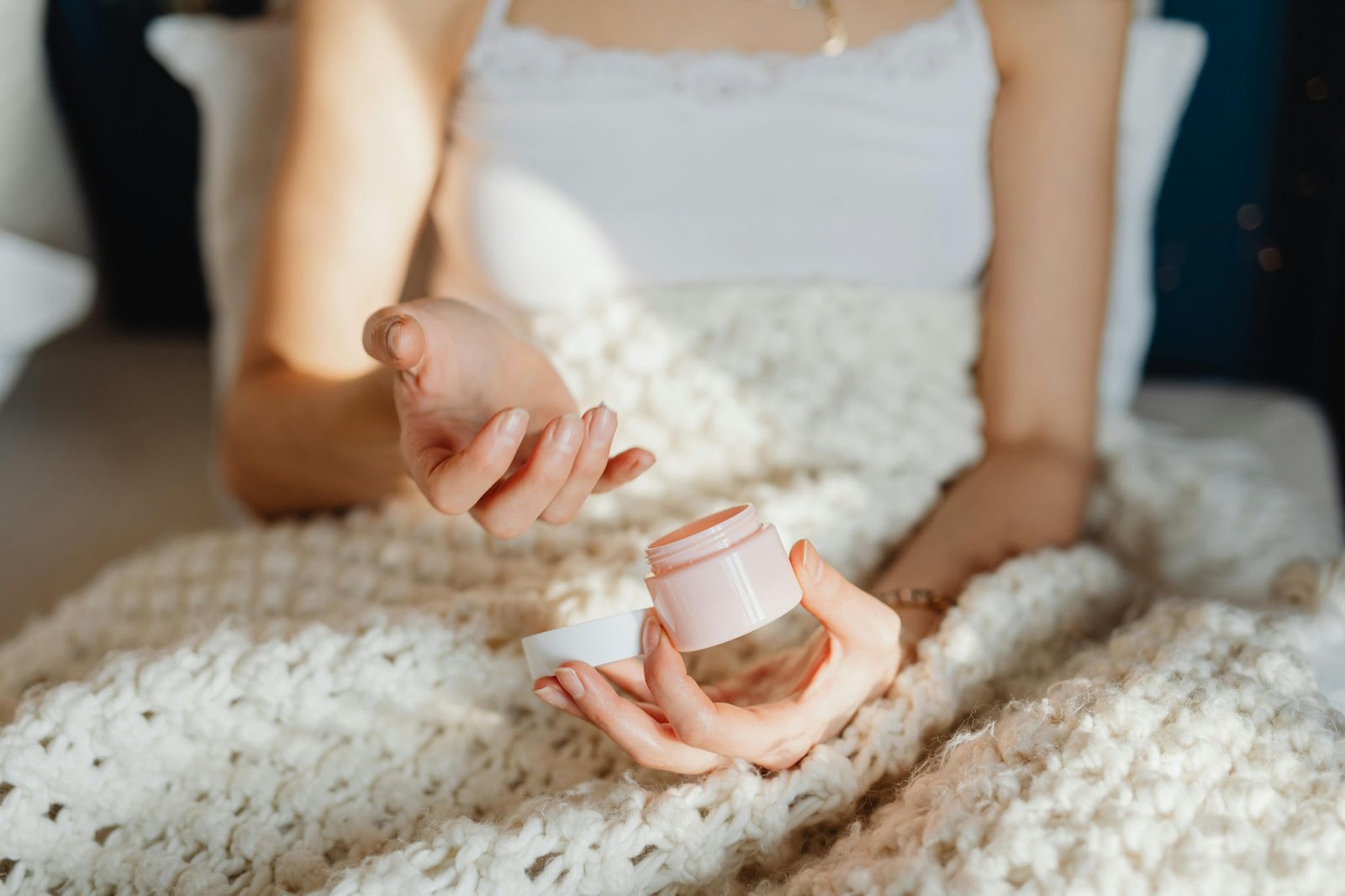
Use moisturizers with ingredients such as hyaluronic acid, urea or shea butter. They provide the skin with intensive moisture and support its natural protective film.
2. Use gentle cleaning products
Use mild, pH-neutral cleaning products that do not irritate the skin. You should avoid hot water - lukewarm water is gentler on the skin and retains its moisture better.

3. Insert humidifier
The dry heating air is a real moisture robber for your skin. A humidifier ensures a pleasant room climate and helps to protect the skin from drying out.
4. Home remedies for dry skin in winter
You can give your skin extra care with a few simple home remedies:
- Coconut oil: Provides rich moisture and soothes dry, irritated skin.
- Honey: Thanks to its anti-inflammatory and moisturizing effects, it is ideal for dry skin areas - simply leave it on for 15 minutes and wash off.
- Aloe vera: The cooling gel soothes the skin and provides intensive moisture.
- Olive oil: Add a few drops to the bath water to care for the skin while bathing.
5. Maintain a skin-friendly diet
A balanced diet with plenty of omega-3 fatty acids, vitamins and minerals supports your skin from the inside. Rely on foods like avocados, nuts and fish that help keep the skin supple.
6.Drink enough water
Even in winter, your skin needs moisture - and not just from the outside! Drink enough water or reach for warm drinks like herbal teas to stay hydrated.
7. Exfoliate regularly (gently remove dead cells from the skin)
A mild peeling removes dead skin cells and ensures that care products can work better. Avoid aggressive peelings so as not to irritate the skin unnecessarily.
8. Use antioxidant serums
Use serums with vitamin C or E - they neutralize free radicals, protect against environmental damage and support the skin in regeneration.
Winter eczema: When dry skin becomes a problem
Winter eczema is characterized by extremely dry, red and itchy areas of skin, especially on the hands, elbows and legs. The cause? A damaged skin barrier that can no longer retain moisture properly.

What helps against winter eczema?
- Regular application of cream: Creams with rich ingredients such as urea or ceramides help to soothe the skin.
- Avoiding irritants: Avoid heavily scented products and rely on hypoallergenic care products.
- Visit a doctor: If the symptoms are severe, you should consult a dermatologist who may prescribe a medical cream.
Winter acne: impure skin despite the cold
While many people associate acne primarily with summer, impure skin can also become a problem in winter. Cold air outside, dry heated air inside and the wrong care can unbalance the skin. The result: The skin produces too much sebum, pores become clogged and inflammation occurs.
What helps against winter acne?
- Moisture instead of oil: Choose moisturizing, non-comedogenic products that hydrate skin without clogging pores.
- Peeling: A mild peeling removes dead cells from the skin and keeps the pores clear - this prevents new impurities.
- Targeted treatment: You can specifically treat pimples with products based on salicylic acid or tea tree oil. Alternatively, hydrocolloid pimple patches are a good option as they reduce inflammation, help the skin heal and cover the affected areas to protect the skin from further irritation.

Ectoin products: The insider tip for winter care
Ectoin products such as the forehead pad and the
Particularly sensitive skin areas benefit from regular use of these

Conclusion: How to properly care for dry skin in winter
Rough, tight skin in winter? That doesn't have to be the case! With a few simple tips and the right products, you can alleviate feelings of tension and keep your skin wonderfully soft.
Choose what suits you - whether gentle cleansing, rich moisturizing care or our moisturizing



Leave a comment
This site is protected by hCaptcha and the hCaptcha Privacy Policy and Terms of Service apply.