



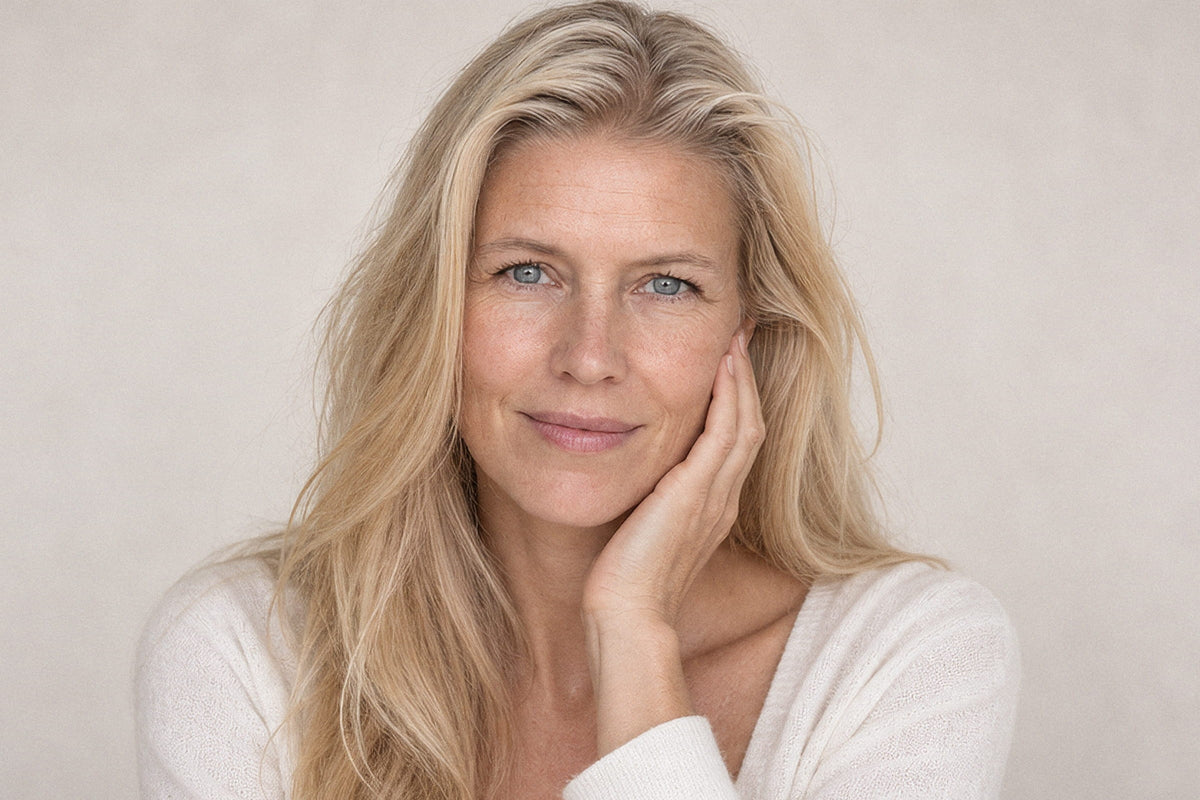
Wechseljahre & Haut: Was jetzt wichtig ist
Menopause is a time of hormonal change that can significantly affect the skin. Many women suddenly notice blemishes, redness, enlarged pores, or general dryness during this phase. In this article, you'll learn why your skin changes during menopause, which skin problems are particularly common, and how you can counteract them effectively with the right facial care.
What exactly happens during menopause?
Menopause is a natural phase in every woman's life, usually beginning between the ages of 45 and 55 – on average around age 51. Menopause is defined as the absence of menstruation for more than twelve months. This hormonal shift marks the end of fertility and is accompanied by many physical changes:
-
The function of the ovaries decreases.
-
Estrogen levels drop significantly.
-
Typical accompanying symptoms include hot flashes, sleep problems – and also skin changes.

At the very beginning of menopause, there is a rapid decline in collagen and elastin in the skin. Over time, this breakdown slows down, but continues. The consequences: thinner skin, wrinkles, loss of volume, and increased fragility. Many women also report increased dryness of the skin during this time, which can lead to feelings of tightness or flaking.
Why does the skin change during menopause?
The main trigger for skin problems during menopause is the declining estrogen level. Estrogen is essential for collagen production, moisture retention, and skin elasticity. When this hormone level drops, the skin becomes thinner, drier, and less elastic. At the same time, the influence of androgens (male hormones) increases relatively, which can stimulate sebum production. The result: oily, blemished skin and enlarged pores.
Stress, lack of sleep, and external environmental factors also have a greater impact on the skin during this time. Because the protective barrier is weakened, the skin reacts more sensitively to UV radiation, pollutants, and skincare products.
Typical facial skin problems during menopause
Impure skin & oily skin
Many women develop so-called late-onset acne during menopause. This is caused by increased sebum production due to androgens. The skin appears oily, pores clog more easily, and blackheads and pimples develop – even in women who never had acne before.
Tip: Gentle cleansing and targeted active ingredients such as niacinamide or zinc help against impurities without drying out the skin.

Large pores
As we age and skin loses elasticity, pores enlarge. Excess sebum makes them appear even larger. Large pores give the skin an uneven appearance and lackluster.
Tip: Active ingredients such as Niacinamide They can visibly refine pores and improve the complexion.
Red spots & skin rashes
Hot flashes, stress, or changes in vascular activity can lead to sudden redness or red spots on the face. Skin rashes also occur more frequently, as the skin becomes more sensitive to ingredients or environmental factors.
Tip: Use gentle skincare products without fragrances or alcohol. Persistent redness could indicate rosacea – consult a dermatologist.
Rosacea
Menopause can worsen existing rosacea or trigger it for the first time. Typical symptoms include sudden bouts of redness, visible blood vessels, papules, or pustules on the face.
Tip: Cooling skincare, avoiding alcohol, spicy food and strong temperature fluctuations help to prevent rosacea flare-ups.
Dry skin & Fold
Declining estrogen levels lead to less hyaluronic acid and a weaker skin barrier. The skin loses moisture, becomes dry, flaky, and wrinkles more quickly.

Facial care during menopause: What really helps?
The right facial care during menopause should be gentle, moisturizing, and regenerating. Here are our top recommendations:
1. Gentle cleaning
Use mild cleansing products without harsh surfactants like Sodium Lauryl Sulfate (SLS), Sodium Laureth Sulfate (SLES), or Ammonium Lauryl Sulfate, which can severely strip the skin of its natural oils and cause irritation. Gentle alternatives such as Coco Glucoside, Decyl Glucoside, or Sodium Cocoyl Glutamate are better suited. These cleanse effectively without weakening the skin's protective barrier. Cleansing lotions or oils that gently cleanse and nourish the skin are ideal.
2. Moisture is key.
Dry skin benefits from creams containing hyaluronic acid, glycerin, and ceramides. Light formulations are recommended during the day, while richer creams are suitable for nighttime.
Product tip: The Ectoine

3. Don't forget sunscreen
UV protection is especially important during menopause. Use a daily moisturizer with at least SPF 30 to prevent age spots, wrinkles, and rosacea flare-ups.
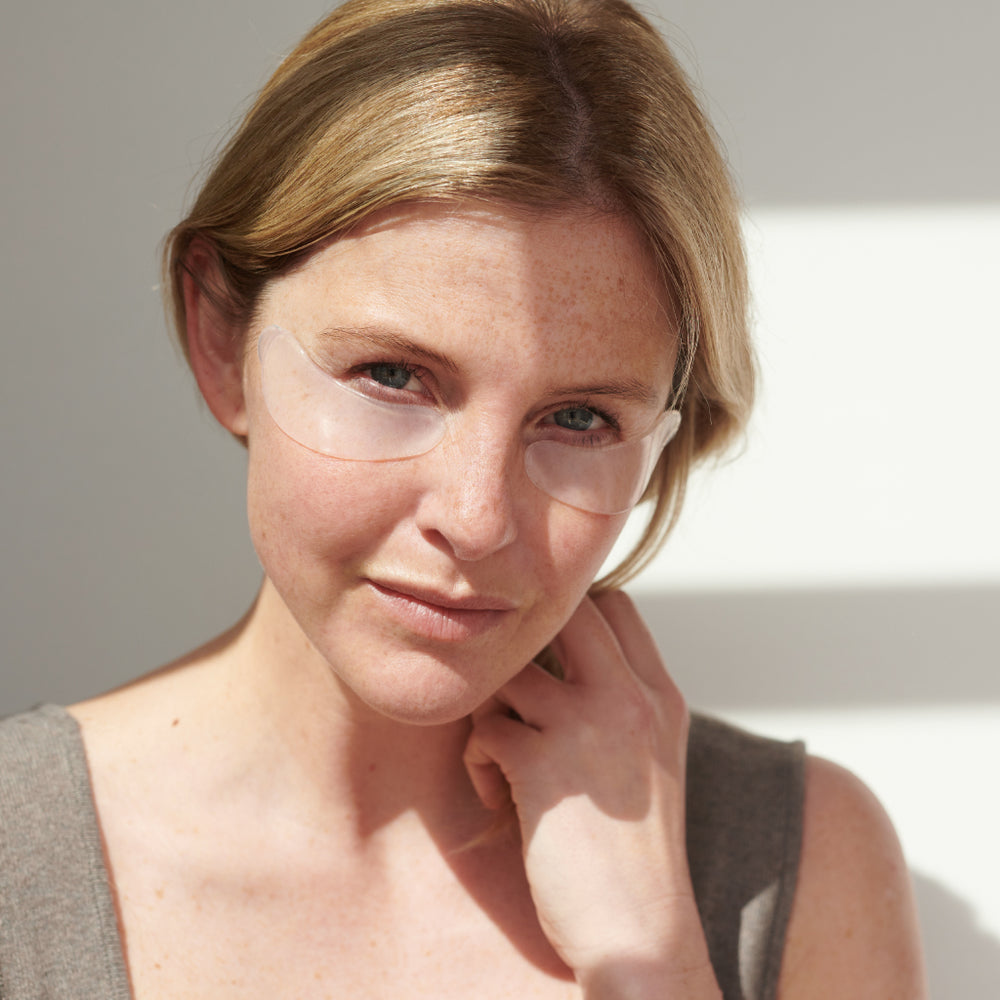
4. Less is more
Avoid using too many products. A simple skincare routine with a few well-balanced active ingredients is usually more effective than a mix of different cosmetics.
Menopausal skin problems: Think holistically
In addition to care, lifestyle factors also play an important role:
- Pay attention to a balanced, anti-inflammatory diet.
- Drink plenty of water
- Avoid cigarettes and alcohol
- Ensure you get enough sleep and relaxation
Stress management has been proven to alleviate skin problems. Exercise in the fresh air also promotes blood circulation and improves the complexion.
Conclusion
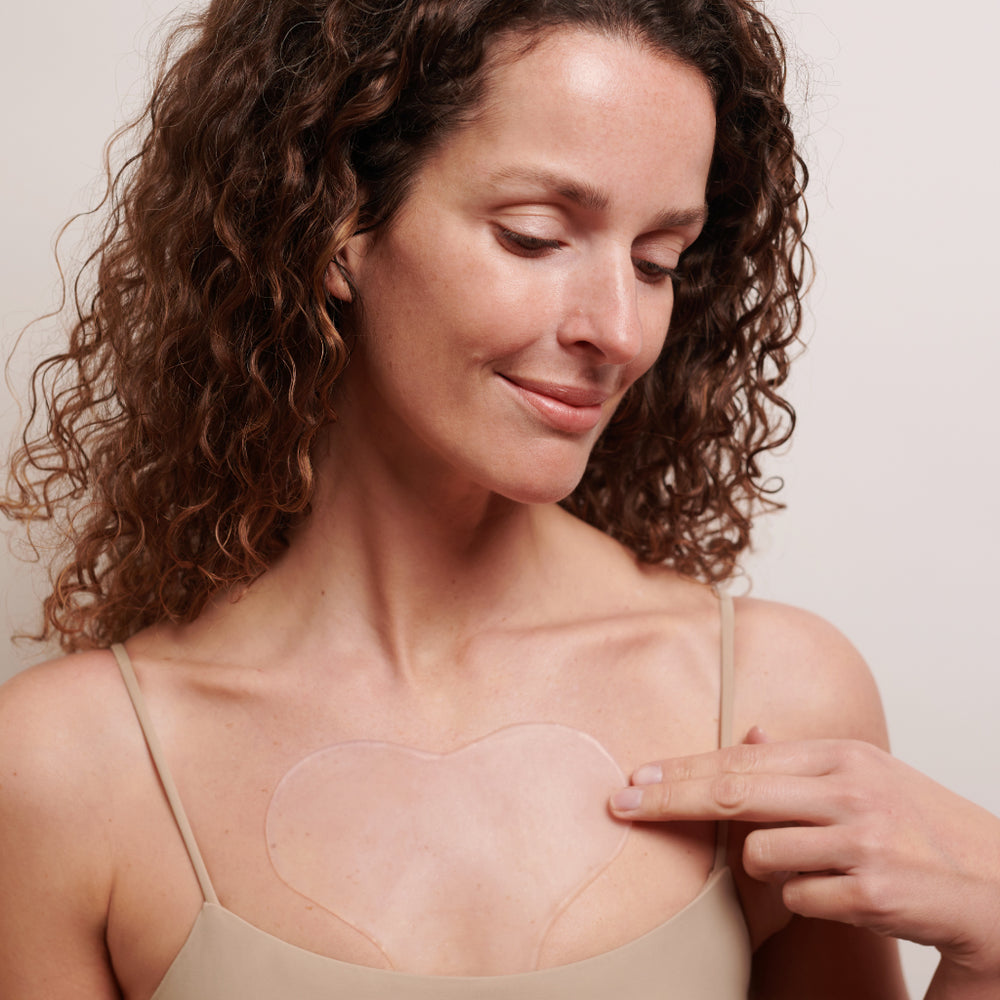
Menopause brings visible skin changes: from blemishes and oiliness to redness, wrinkles, and dryness. It's crucial to adapt your skincare routine to these new needs and avoid overwhelming your skin. With targeted care, suitable products, and a mindful lifestyle, you can keep your skin healthy, clear, and radiant – at every stage of life.
Sources:
Kamp, E., Ashraf, M., Musbahi, E., & DeGiovanni, C. (2022). Menopause, skin and common dermatoses. Part 2: skin disorders. Clinical and Experimental Dermatology, 47(12), 2117–2122. https://doi.org/10.1111/ced.15308

author
Katja
Lead Product Developer
With over 15 years of experience in the cosmetics industry, Katja develops skincare products that combine effectiveness with gentle care. Her focus is on skincare routines that can be easily integrated into everyday life and provide long-term skincare benefits. At APRICOT, she oversees product development from the initial concept to the finished product.


Leave a comment
This site is protected by hCaptcha and the hCaptcha Privacy Policy and Terms of Service apply.